“This week will live long in the memory of all who have found in it a profound reason for deep thanksgiving and rejoicing.”
Surrey Advertiser, Saturday 12th May 1945
The Exhibition
In 2025, Elmbridge Museum commemorated 80 years since Victory in Europe Day (VE Day) and Victory over Japan Day (VJ Day) with its powerful exhibition, Echoes of War.
Bringing history to life, the exhibition reflected on the impact and legacy of these pivotal moments. This video, produced by Museum Development South East, offers a closer look inside the exhibition—uncovering the stories, memories, and meaning behind it.
Elmbridge Museum would like to thank all those who participated in the project and generously shared their memories with us.
This VE Day and VJ Day commemoration project is supported using public funding by UK Government through Arts Council England.
Echoes of War
This exhibition explored the many strands of everyday life on the Home Front in Elmbridge during the Second World War.
Life on the Home Front
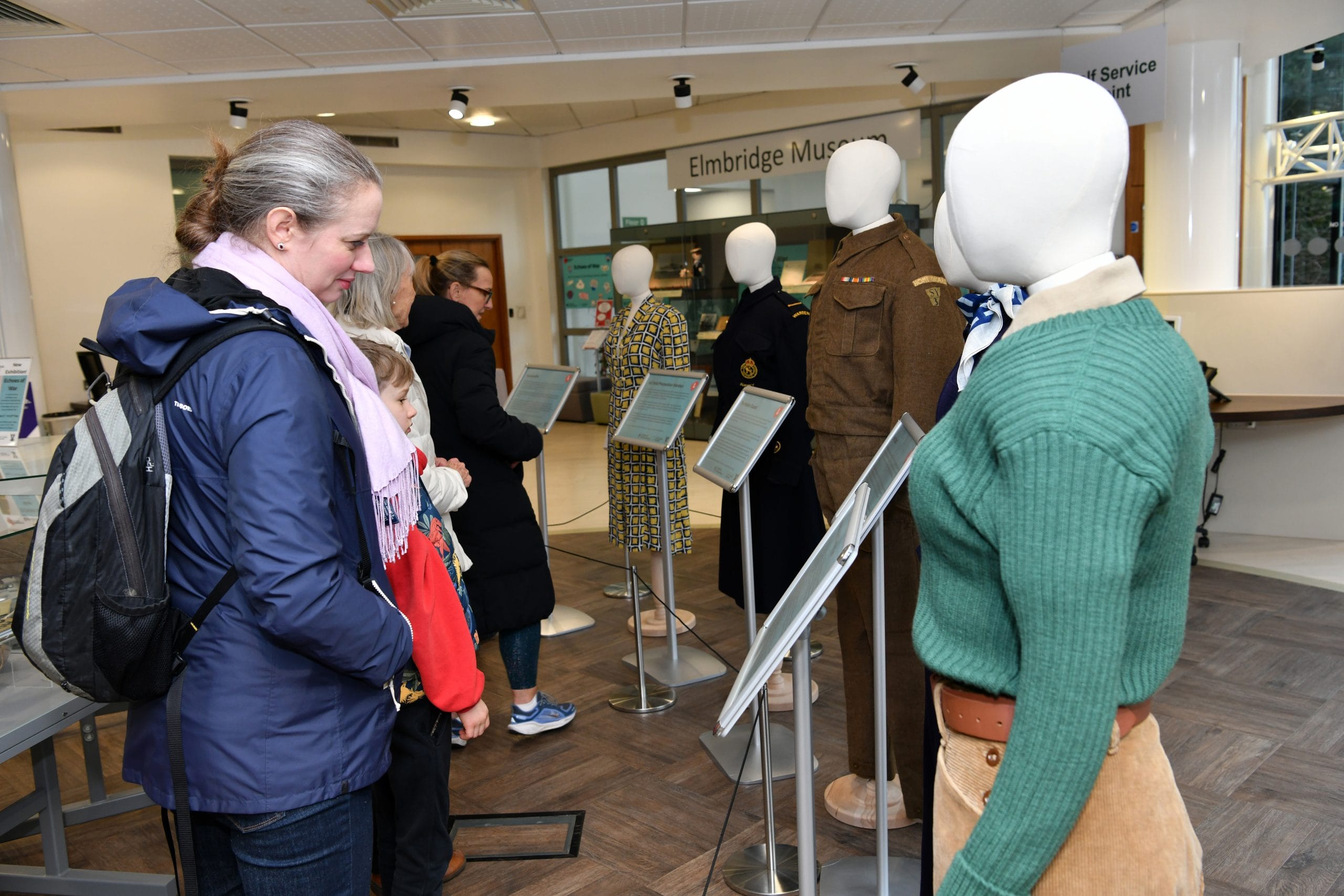
Dressed mannequins told varying stories of life on the Home Front in Elmbridge.
Threaded Shelter
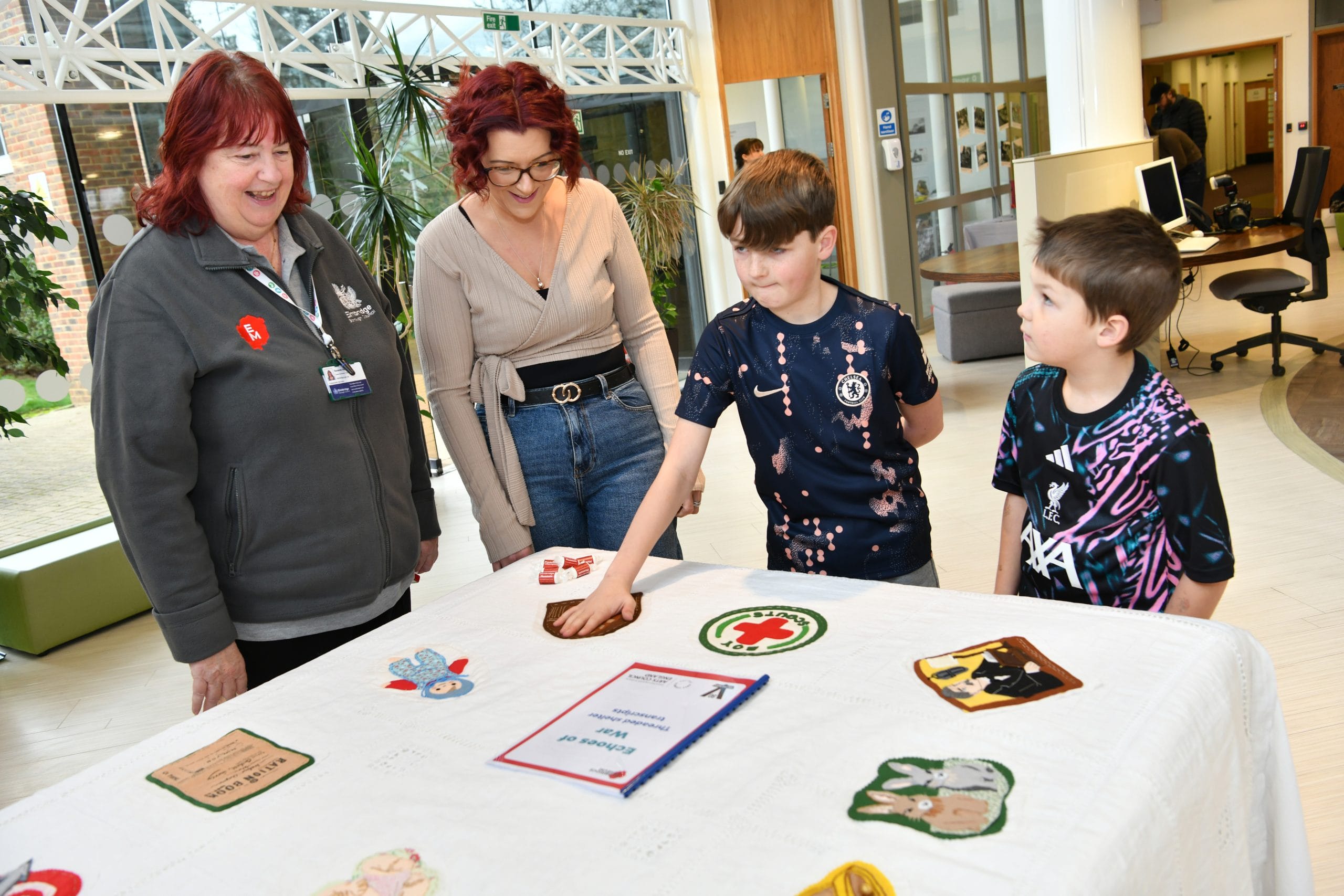
Visitors were invited to engage with artist Emily Peasgood’s recreation of a Morrison shelter. They listened to powerful Home Front stories, narrated by Elmbridge residents and local schoolchildren.
St Andrew's C of E Primary School
We held creative workshops with Year 6 students from one of the museum’s member schools, St Andrew’s C of E Primary School, to design the backing boards for the exhibition.
Family Open Days
Elmbridge Museum hosted two free family day activities linked to the 'Echoes of War' exhibition
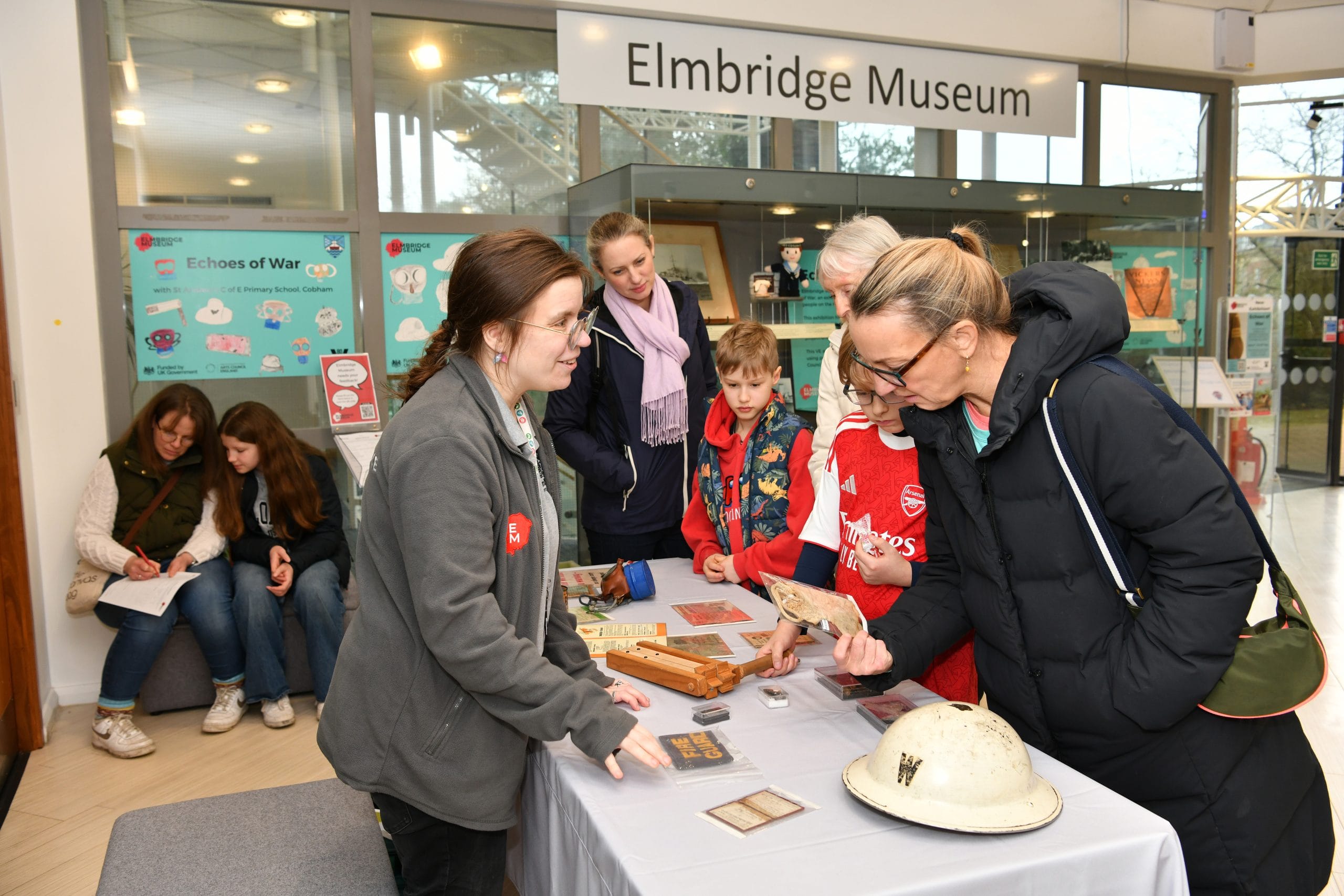
Visitors engage with the handling objects
Visitors read the interpretation boards next to each mannequin
A family listen to a recording on Emily Peasgood's 'Theaded Shelter'
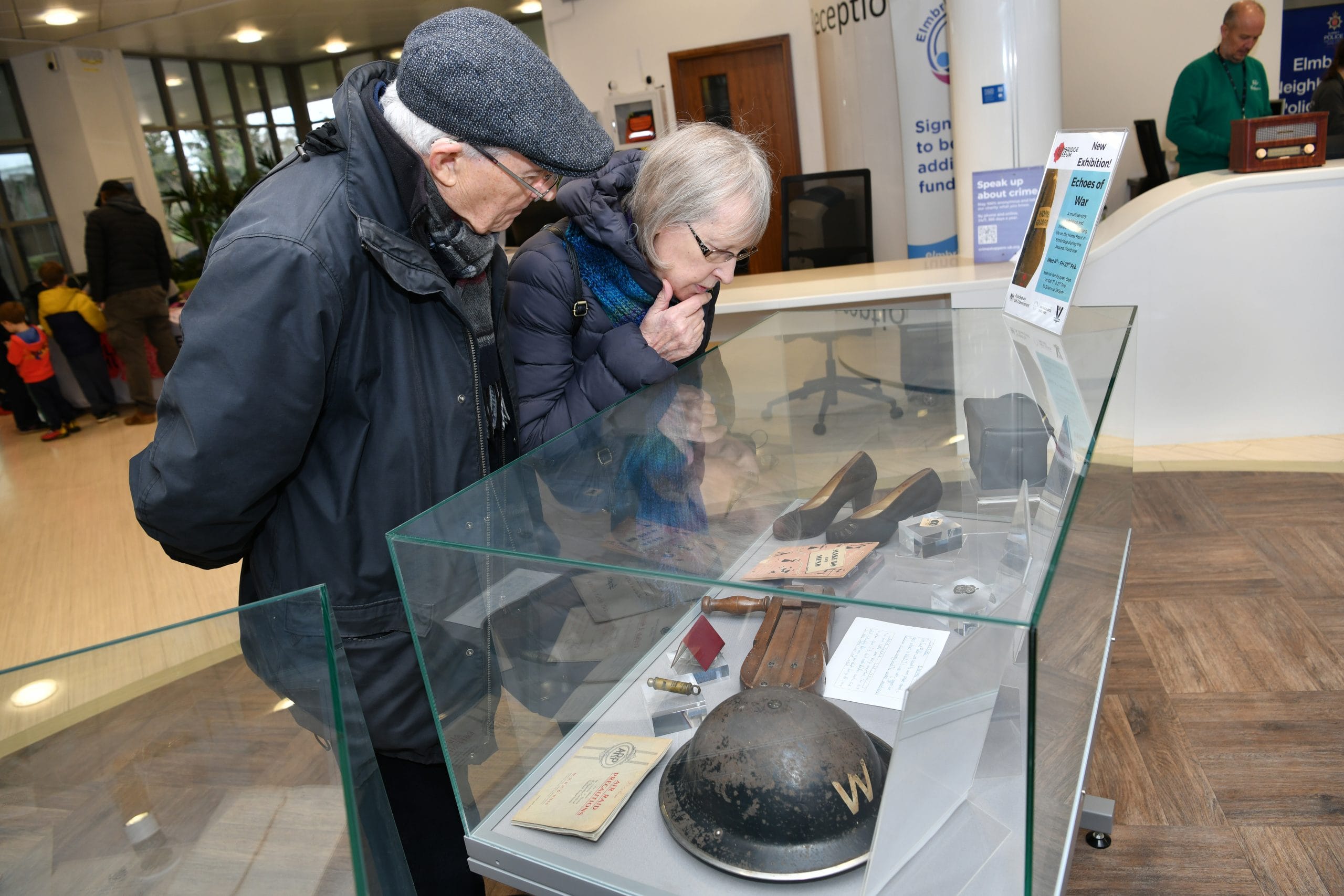
Two visitors look at the WW2 objects in display
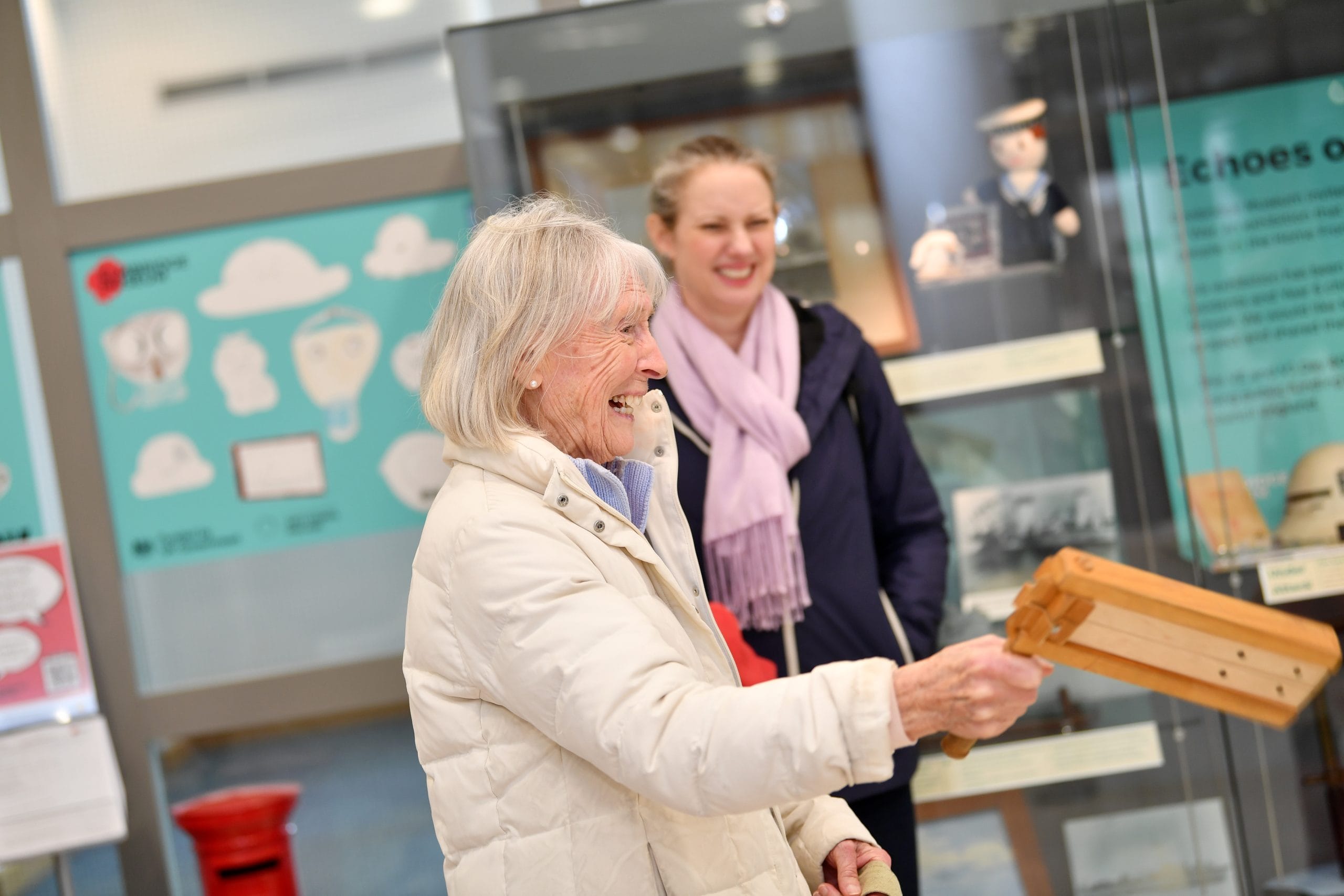
A visitor tries to operate a gas rattle
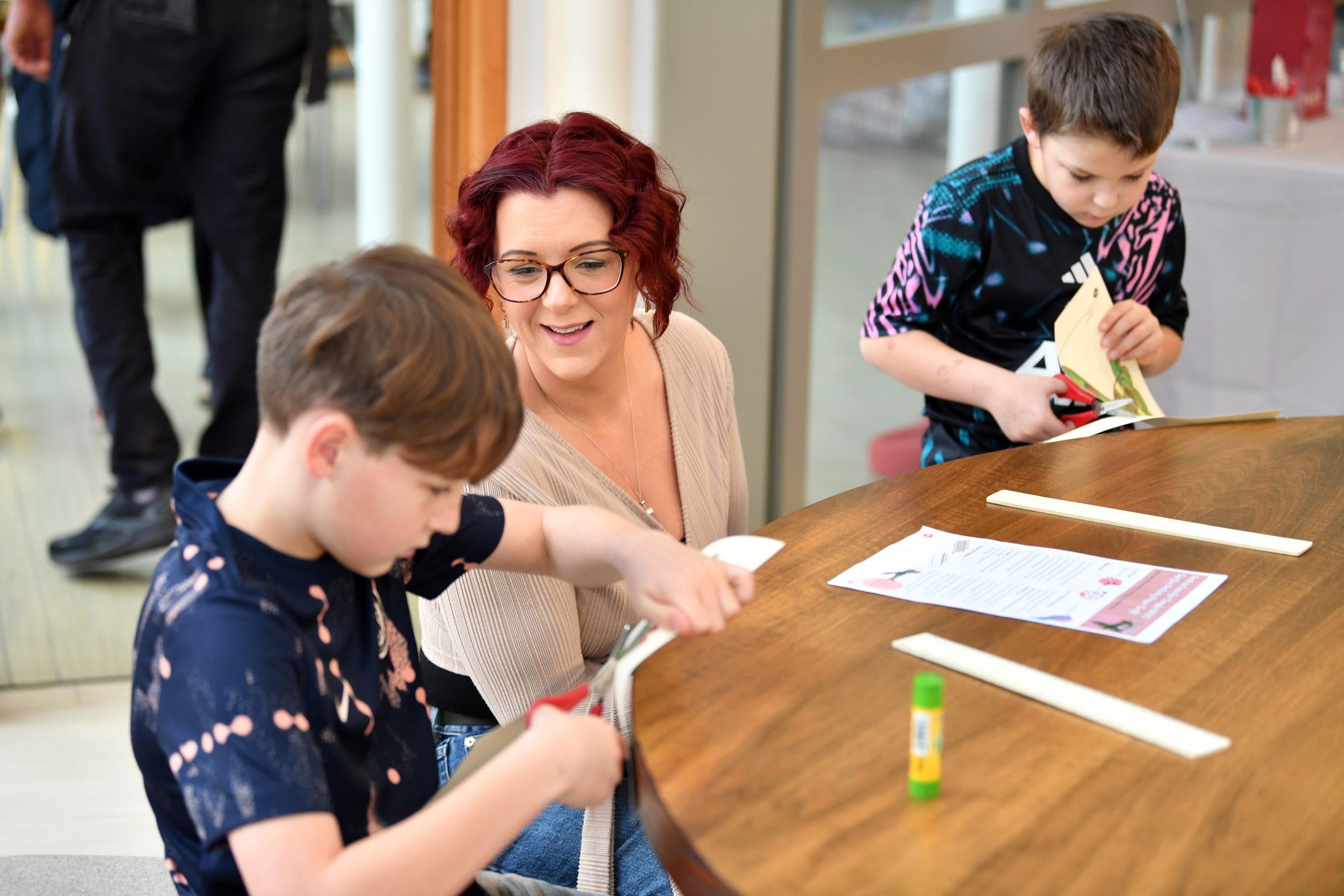
Two children make paper Spitfires
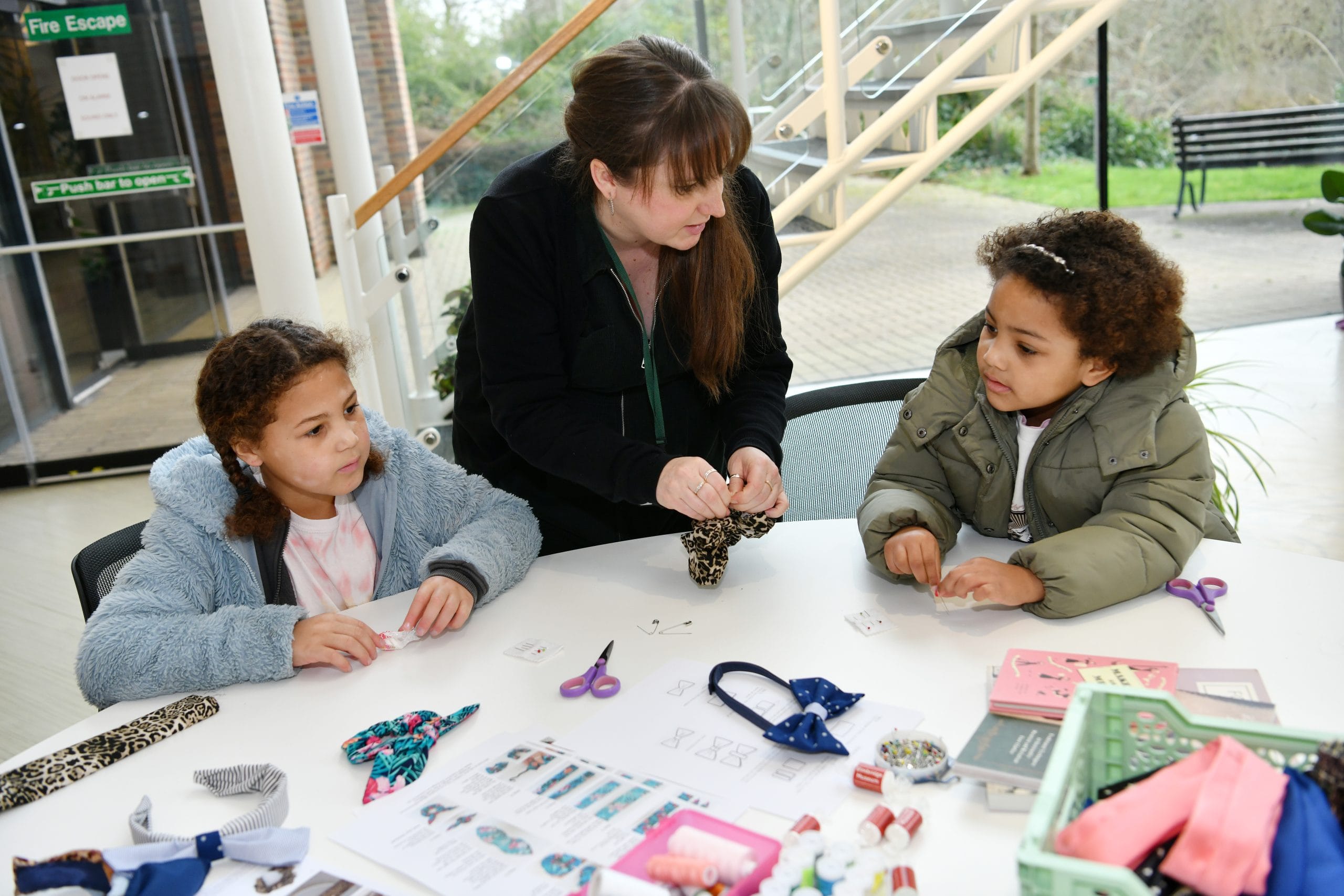
Two children make head bands and scrunchies in our Make Do and Mend themed activity
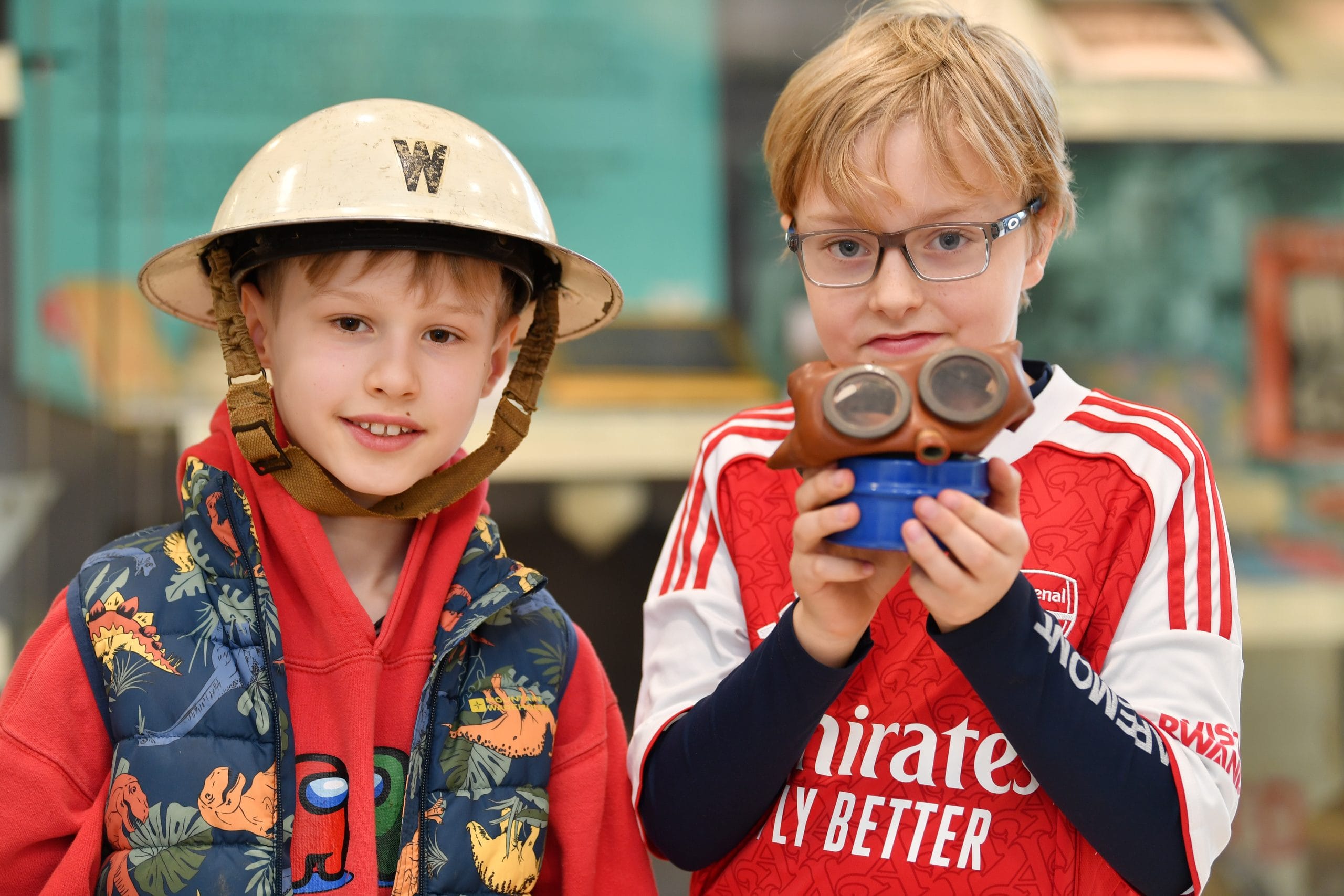
Two children engage with objects from the handling collection
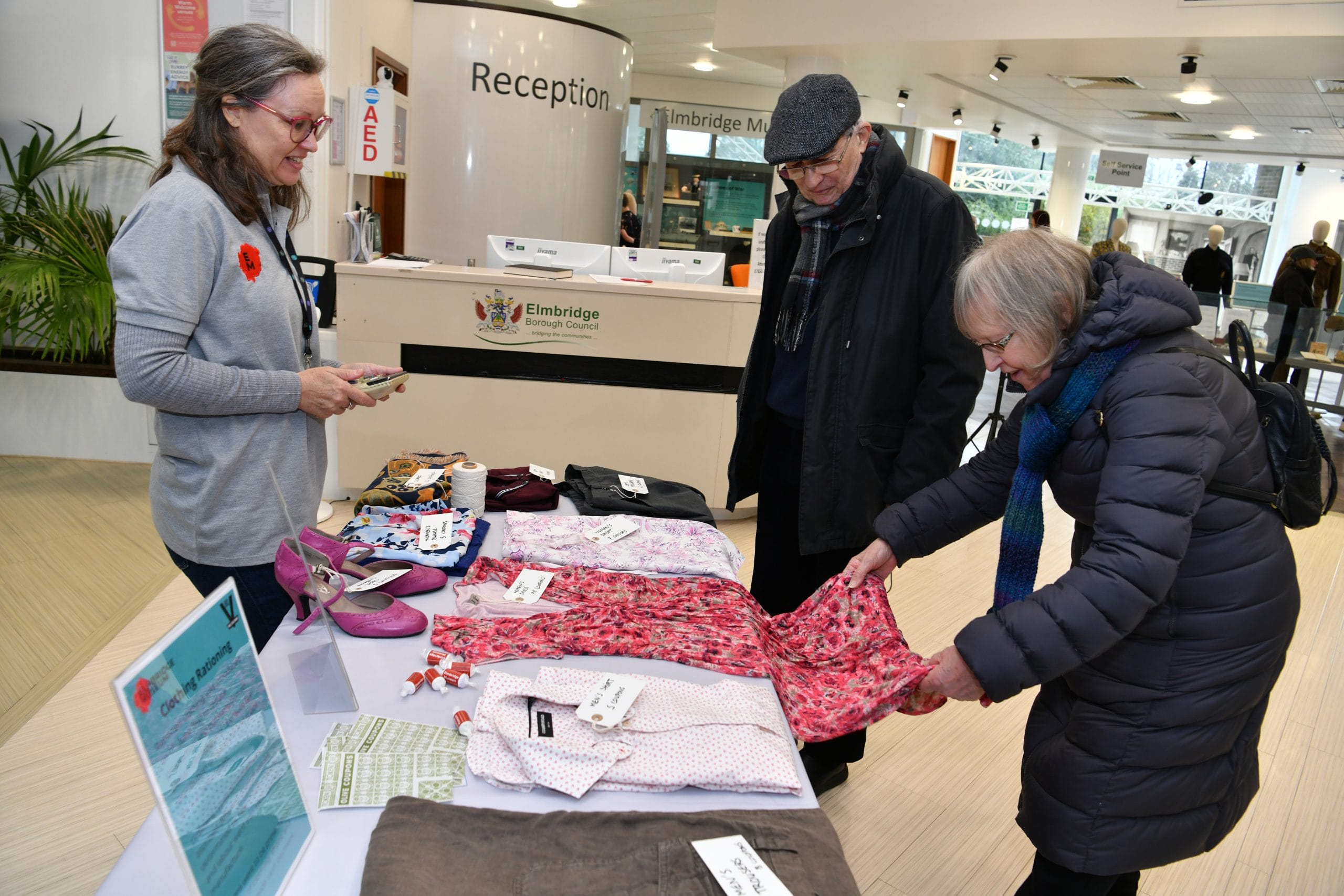
Two visitors try our clothes ration activity
The Home Front
Olive Brookway
Gladys Muriel Carr
Nesta Thornton
Housewife
Frank Andrews
Air Raid Precaution Warden
Air Raid Precaution Uniform (129.1987)
Miss Olive Brookway served as an Air Raid Precaution (ARP) Warden in the Portmore Park area of Weybridge. The uniform on display was worn by Olive during her wartime service, a visible symbol of her responsibility for keeping her community safe during some of the most dangerous moments of the Second World War.
Long before the first bombs fell, the British Government began planning how to protect the Home Front. As early as September 1935, preparations were underway, and by 1937 the ARP service had been established. By the outbreak of war in 1939, around 1.5 million people were already involved in civil defence across the country.
ARP wardens were often the first point of contact during air raids. Their duties included registering residents, raising the alarm, enforcing the blackout, directing people to shelters, assisting the rescue and clear-up efforts, and carefully recording bombing incidents using official bomb report forms.
In Elmbridge, approximately ten wardens were appointed per square mile, making them a constant and reassuring presence. Through their vigilance and dedication, wardens like Olive Brookway played a vital role in protecting local residents and maintaining order in times of crisis.
Land Army Girl
Women’s Land Army uniform (272.1989/1)
The Women’s Land Army (WLA) played a vital role in keeping Britain fed during the Second World War, stepping in when thousands of male farm workers left for military service.
First established in 1917, the WLA was reformed in June 1939 as the threat of war loomed. At first, women were encouraged to volunteer, but by December 1941 they could be conscripted. By its peak in 1944, more than 80,000 women – fondly known as ‘land girls’ – were working on farms across Britain.
Land girls undertook demanding and often dirty work: milking cows, lambing, harvesting crops, catching rats and maintaining farms. Despite the physical nature of their labour, they were paid 28 shillings a week. This compared with 38 shillings for male workers. Half of their wages were deducted for board and lodging.
Working long hours in all weathers, the women of the WLA could be sent wherever they were needed, adapting to unfamiliar places and challenging conditions. Their resilience and hard work were essential to Britain’s wartime survival.
Gladys Muriel Carr, Women’s Land Army Girl 1945-46.
The breeches on display once belonged to Gladys Muriel Carr. Before the war, Gladys worked in London as a General Post Office telephonist, connecting voices across the city. On 22nd May 1945, aged just 21, she joined the WLA and was sent to work on farms in Surrey. Gladys remained with the WLA until 5th January 1946, leaving after the war ended.
These breeches were carefully preserved by her family. Gladys’ sister, Sylvia, and her brother-in-law, Tony, lived at various addresses in Walton and Weybridge. Tony, a former Town Planner, knew Avril Lansdell (Head Curator of Weybridge Museum) and Morag (Assistant Curator at Weybridge Museum) and later passed Gladys’ breeches on to them, ensuring that her story would not be forgotten.
Siren Suit
Siren Suit (96.1998)
One of the most distinctive-and surprisingly practical-wartime garments to emerge during the Second World War was the siren suit. This all-in-one outfit was designed for speed and comfort, allowing wearers to throw it on over their clothes as soon as the air raid siren sounded.
Made famous by Prime Minister Winston Churchill, siren suits were loose-fitting and roomy, making them ideal for hurried trips to shelters in the middle of the night. They became particularly popular with women, offering warmth, ease of movement, and a way to preserve modesty during nighttime air raids.
The siren suit on display was worn by Nesta Thornton, a local resident who lived on York Road in Weybridge. Wartime service ran in the family—her sister, Thirsa, was awarded an O.B.E. in recognition of her work with the Red Cross.
Housewife
Day dress (97.1995)
With thousands of men away serving in the armed forces, women stepped into new roles during the Second World War. Alongside paid work, they played a vital role on the Home Front – running households, managing strict rationing, recycling and reusing materials, and growing food in gardens and allotments. Everyday life required ingenuity, resilience, and adaptability.
This day dress belonged to a housewife living in Weybridge during the 1940s. At first glance it may appear simple, but it tells a powerful story of how fashion was reshaped by wartime necessity.
The dress was produced under the CC41 Utility Clothing Scheme, introduced to control materials and streamline manufacturing. Clothes were made to strict guidelines so they could be mass-produced, affordable for working women, and durable enough to withstand years of wear.
CC41 Utility Label. (257. 1970).
While some feared that utility clothing would make everyone look the same, fashion magazines such as Vogue urged readers to embrace the scheme. At the same time, the government’s Make Do and Mend campaign encouraged people to alter, repair, and reinvent their clothes as they wore out or were outgrown.
CC41 utility clothing remained in use until 1952, long after the war ended—an enduring reminder of how wartime ingenuity shaped everyday life.
Home Guard
Home Guard Uniform (156.1984)
Frank Andrews was a resident of Walton and served in the 3rd Surrey (Weybridge) Battalion of the Home Guard between 1940 and 1944. The uniform was worn during his service, representing the commitment of local men who stood ready to defend their communities at a moment’s notice.
The Home Guard was formed in May 1940, at a time when the threat of German invasion was imminent just days before the evacuation of Dunkirk. It was a volunteer force made up of men who were not eligible for frontline military service but were determined to play their part in Britain’s defence.
Home Guard duties were wide-ranging and often carried out alongside full-time jobs. Men manned roadblocks, guarded factories and bridges, removed signposts to confuse the enemy, and placed obstacles in open fields to prevent aircraft from landing. Members were trained to use weapons and were allowed to keep up to ten pounds of ammunition at home, ensuring they could respond immediately if invasion came.
At its peak the Home Guard had around two million troops. Across the UK, 1,206 lost their lives while on duty or later died from their wounds – a reminder that this part-time service carried very real risks.
Life at Home
The Second World War brought an unprecedented level of government involvement in everyday life. As people stepped into new roles on the Home Front to support the war effort, they also faced profound changes at home, reshaping how families lived, worked, and coped on a daily basis.
Blackout
“Night bombing is providing a severe test of the people’s morale, but the spirit of the nation rises as the ordeal grows in its terrible intensity.” Surrey Advertiser, Saturday 28 September 1940
For many British civilians, the first tangible impact of the Second World War came not with bombs, but with darkness. On 1 September 1939—two days before war was officially declared—the blackout was introduced, plunging towns and cities into near-total night-time darkness to make it harder for enemy bombers to find their targets.
The Walker family photographed outside their Claygate home in 1940, where the windows have been X taped to protect against bomb blasts
Streetlights were extinguished and windows were covered with heavy blackout fabric. When supplies ran short, householders painted their windows black instead. Compliance was strictly enforced, with heavy fines issued to anyone who allowed even a glimmer of light to escape.
While essential for defence, the blackout caused widespread disruption and danger, especially after dark. Pedestrians struggled to navigate unlit streets, and vehicles were forced to use dimmed headlights fitted with shades. Accidents became alarmingly common. By the end of 1939 alone, an estimated 8,272 people across Britain had been killed as a result of blackout-related incidents.
The blackout remained a constant feature of daily life for five long years. It was not until September 1944 that restrictions were eased, allowing a cautious ‘dim-out’—a small but symbolic step towards the return of light.
Rationing
In 1939, Britain relied heavily on imported food—20 million tonnes a year, including 70% of its cheese and sugar, 80% of its fruit, and 70% of its cereals and fats. This made the nation vulnerable. One of Germany’s key strategies in the Battle of the Atlantic was to target supply ships, aiming to cut off imports and potentially starve Britain into submission.
Ration book for food belonging to Gwendoline F. Evans, Thames Ditton, c.1939-45.
To cope with looming shortages, the government introduced a rationing system. Every person had to register at their chosen shops and was issued a ration book filled with coupons. These coupons became the only way to buy essential items.
Fuel was rationed too. From the very start of the war, motorists were restricted to just 200 miles per month, forcing families to plan journeys carefully and rely more on walking, cycling, or public transport.
Rationing reshaped everyday life, turning shopping and travel into a careful exercise in planning, patience, and ingenuity.
Clothing ration book belonging to M.V. Williams of Thames Street, Weybridge. (127.1966/3).
Food was not the only item to be rationed. From June 1941, clothing was also rationed as it was becoming increasingly difficult to import material and British manufacturers were busy making uniforms and other wartime essentials.
Every man, woman and child (over the age of 4) was issued with a clothing ration book containing 66 coupons. As with food rationing, to buy a rationed piece of clothing coupons had to be presented on purchase alongside cash payment.
66 coupons were the equivalent to one new outfit per year. By 1946, the number of clothing rations issued to one individual was reduced to just 24.
Make Do and Mend
To encourage the public to save on their precious coupons by repairing worn out clothes, the Government introduced the Make Do and Mend campaign. Publicity materials were produced including promotional posters, booklets and a series of instruction leaflets featuring the character ‘Mrs Sew and Sew.’
Make Do and Mend magazine. (54.1996).
This wide-eyed doll became a familiar sight, emblazoned across leaflets. She was also brought to life in Government backed animation films to promote home sewing with helpful scissors, cotton reels and a thimble.
Clothes rationing in the UK ended in March 1949, although rationing for other goods continued for several years. The last items were ‘de-rationed’ in 1954.
Clothes rationing had a huge impact on the British public. It encouraged people to be more careful of their wardrobes and freer to experiment with refashioning old outfits. It also had the beneficial effect of simplifying design and encouraging creativity among fashion designers.
Many of the changes brought about by the war continue to shape fashion today, most notably the turn towards a more relaxed and informal style of dress.
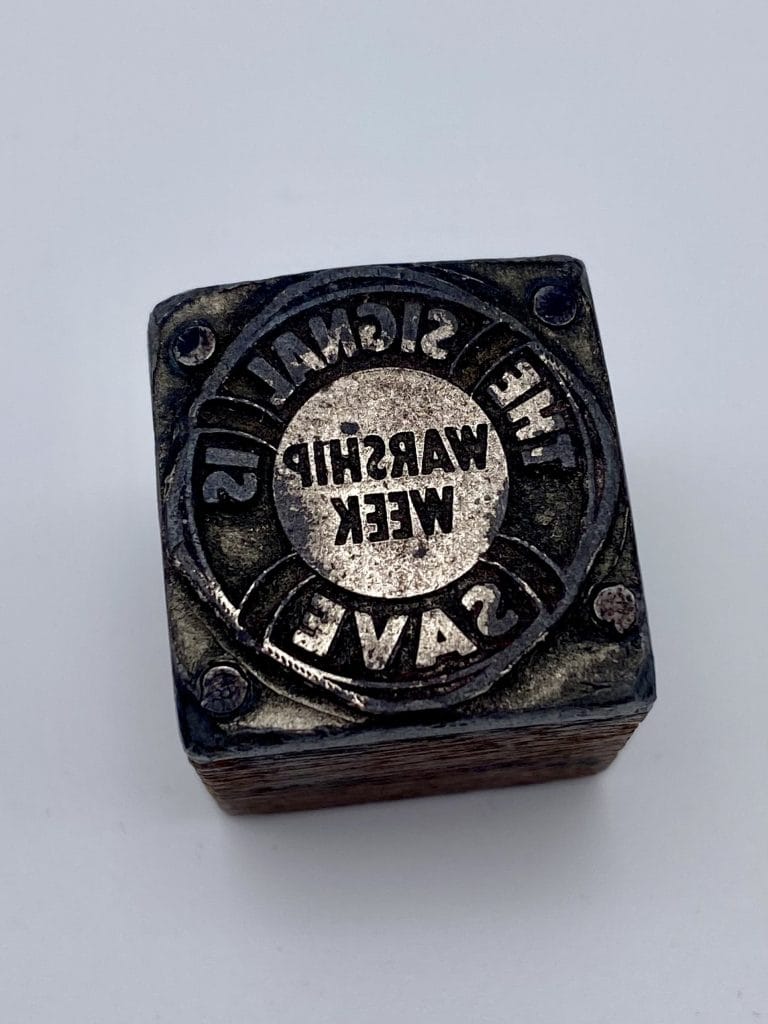
Line Block of design for ''Warship Week''. (448.1967/2).
Community Contributions
Warship Week
Ships were expensive to build. To reduce the money borrowed from other countries the government appealed to the British people for help. Warship Week was a series of fundraising events organised across the country over a period of 24 weeks from 1941 to 1942. It was hoped that these funds would cover the costs of the expansion in shipbuilding.
Towns and districts were tasked with organising fundraising events and residents were encouraged to subscribe to Government War Savings Bonds and Certificates. In return, the community would gain a sponsorship of a Naval Vessel. Nationally, the events were incredibly successful, raising just under £1bn, or £46bn in today’s money.
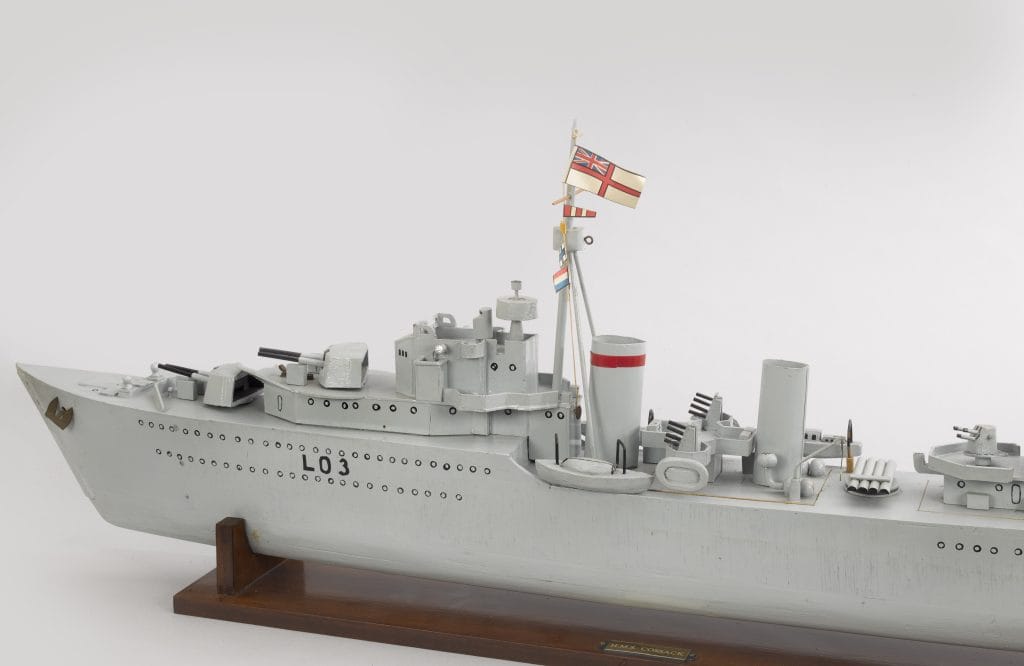
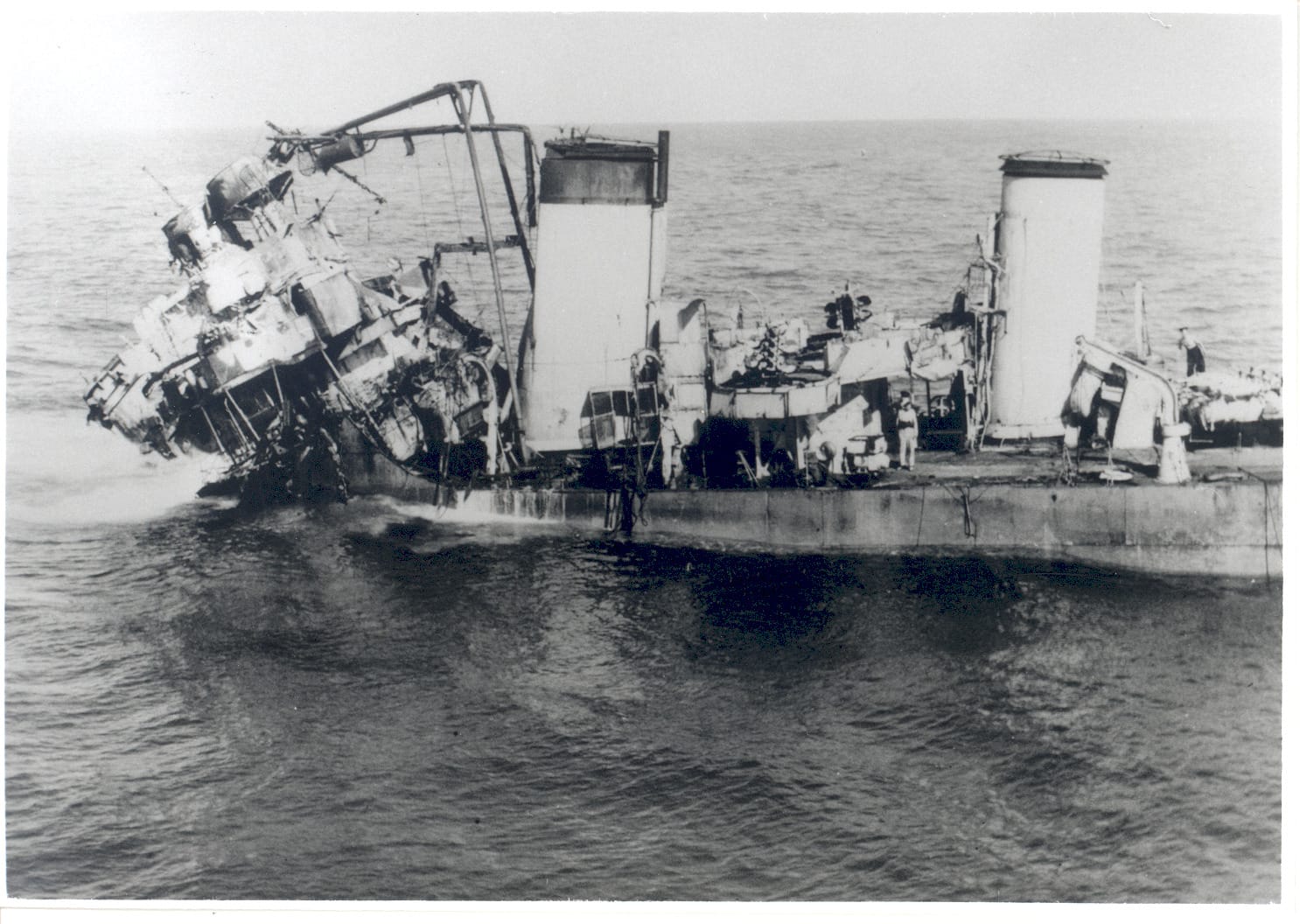
During World War Two, the communities of Esher and Claygate successfully held a Warship Week in January 1942, raising funds to “adopt” a warship. The ship they adopted was HMS Cossack. HMS Cossack had become famous for a daring mission to save British prisoners of war (POWs) in Norway and having destroyed the German battleship, Bismark. It was itself torpedoed in October 1941 having left Gibraltar escorting a convoy to England. Captain Edward Lyon Berthon of Esher died with 158 of his crew. A further 29 were injured.
Model of Tribal class destroyer LO3 HMS Cossack. (63.1997/1)
The people of Esher vowed the death of Captain Berthon would not be in vain. It was originally envisaged to raise £450,000 for a submarine during Esher Warship Week between 21st February and 28th February 1942. However, residents set about raising the £700,000 needed to buy a new Cossack instead.
After months of meticulous planning, Warship Week arrived with parades, bridge and whist drives, concert parties, dances, auctions, raffles and hundreds of other fundraising events taking place throughout the district. The campaign exceeded all expectations with £1,192,211 in investments, savings and donations being raised. The replacement HMS Cossack was built and launched in 1945.
From the Collection
Explore other H.M.S. Cossack objects below
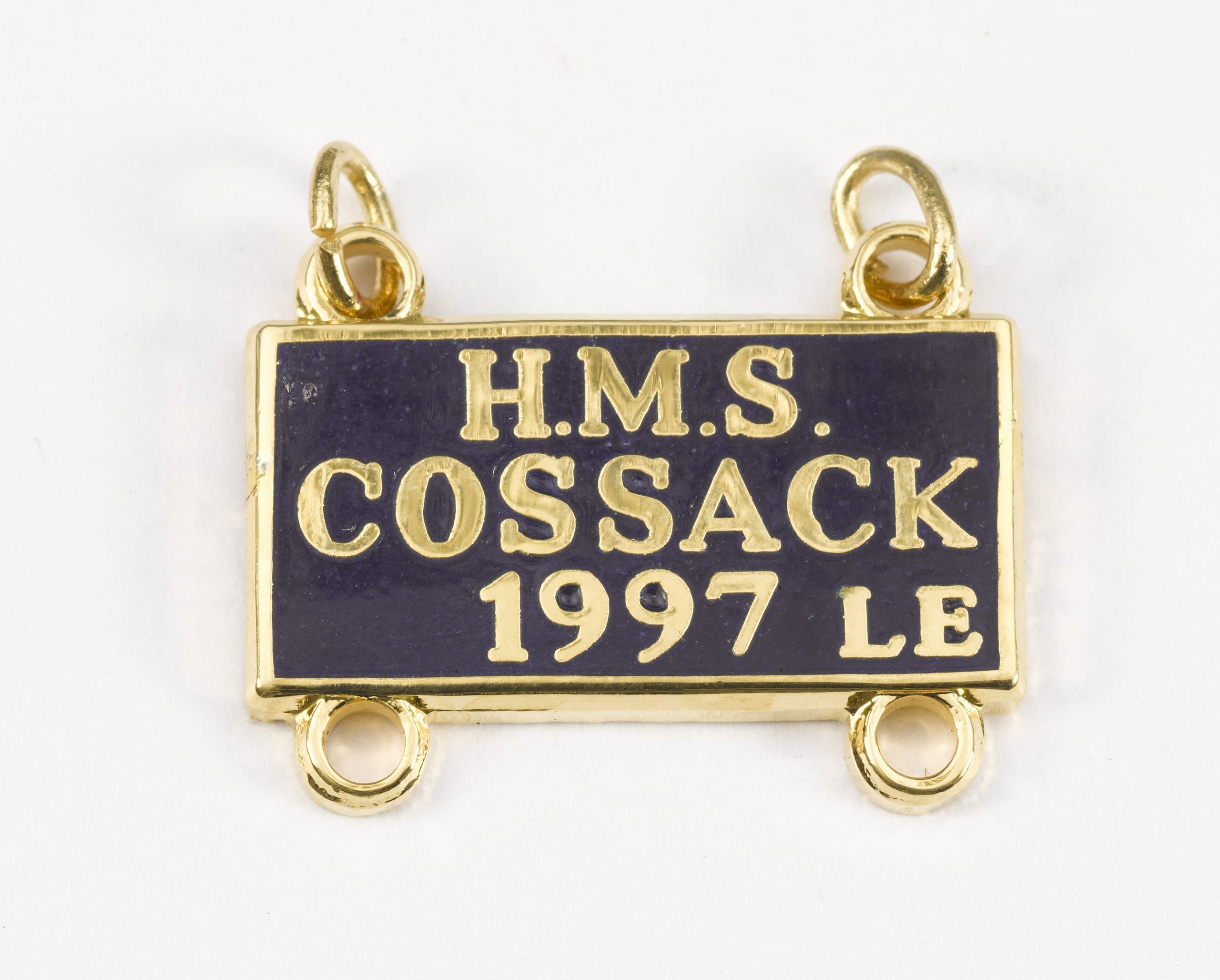
HMS Cossack Commemoration Standard Bearer Bar
Damage to HMS Cossack after she was torpedoed by U-563 on 23rd October 1941
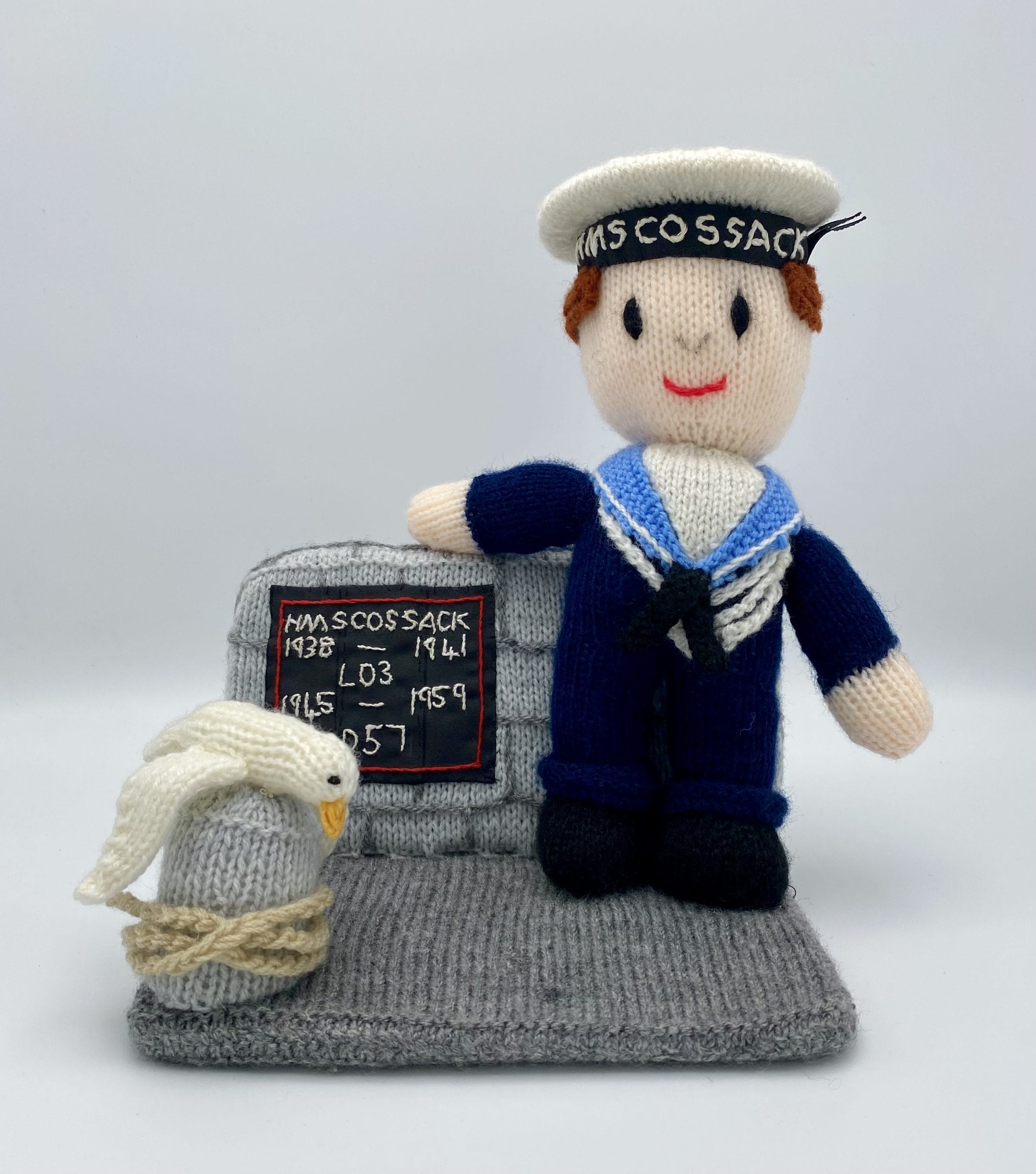
Knitted HMS Cossack sailor doll
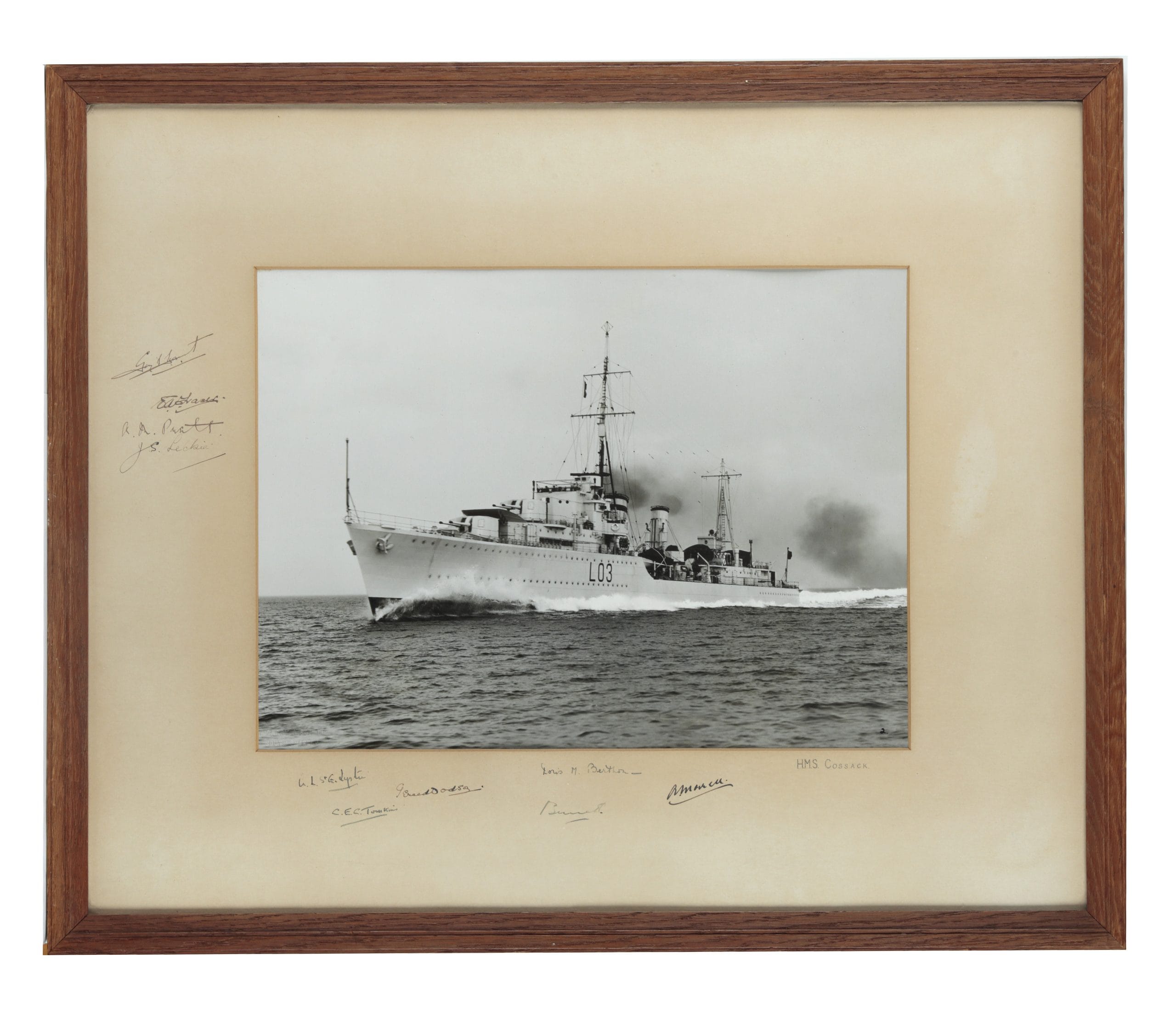
Framed photograph of H.M.S. Cossack
Under Attack
Bombing the Vickers-Armstrong Factory
Image of funeral for casualties of Air Raid at Vickers Armstrongs Ltd, Brooklands. (152.1964/6)
As a result of its involvement in war industry, parts of Elmbridge became prominent targets. September 4th 1940 marks the deadliest attack in the local area during World War Two. On this day, the Vickers-Armstrong factory in Weybridge was targeted by the German Luftwaffe. 88 people were killed and over 400 people were injured.
The company was involved in producing aircraft, namely Wellington Bombers, for the war effort. Production took place throughout the night, and two planes were built every 24 hours. Such a massive production site attracted unwanted enemy attention.
Just after 1pm on that fateful day, German bombers appeared in the skies above Vickers and bombarded the factory with its workers inside. One bomb made a direct hit on the factory’s air raid shelter. It was the single biggest attack of the Battle of Britain so far.
Despite the attack, the work of Vickers in Elmbridge continued. Their design department was moved to a secret location near Burhill Golf Course, and their experimental department was temporarily moved to Redhill Road in Cobham.
Remembering Victory
After nearly six years of war Germany officially surrendered on 7th May 1945. The conflict in Europe was finally over. The announcement was broadcast across the radio that evening. VE Day was declared a national holiday that would take place the next day. Across the Borough, thousands of people rejoiced as communities came together to celebrate the end of the European conflict with street parties.
“I can always remember V.E Day night: there was a street party and a big bonfire in the middle of Eastcote Avenue to celebrate the end of the war.”June, East Molesey resident.
Daily Express newspaper of VE Day. (128.1995/12).
Despite the joy and celebration, it was a day of mixed emotions for some who mourned loved ones they had lost during the war. Others worried about friends and relatives still serving overseas.
While the conflict was over in Europe, the war continued in the Far East and Pacific. Many troops were redeployed instead of coming home. The end of the war in Japan came a few months later in August after atomic bombs were dropped on Hiroshima and Nagasaki. This is known as VJ Day.
The impact of the Second World War endured long after the close of the war. Millions of lives had been lost. Homes and cities were destroyed and needed to be rebuilt.
80 years on from VE and VJ Day, we take the opportunity to remember all those who resiliently faced suffering and death in our Borough and those who did not see the arrival of peacetime that they had bravely fought for.
You might also like ...
More online exhibitions to discover
Elmbridge At War
As the deadliest conflict in history, the Second World War had a huge impact on the country and Elmbridge in particular. Discover the stories of our Borough's resilient residents in this project, which was launched to mark the 75th anniversary of V.E. Day in May 2020.
Excavating Oatlands
From pipkin pots to clay tobacco pipes, this exhibition highlights the vital role of amateur archaeology in preserving local heritage and offers a rare glimpse into life at Oatlands Palace during the Tudor era.
Silent Services in Action
Discover the remarkable history of the emergency services - police officers, firefighters, ambulance drivers - and explore the photos, objects and memories linked to local people involved in these forces, and significant events they had to deal with.
Collaborating with St Andrew's C of E Primary School
This exciting blog post explores the efforts of Year 6 students at St. Andrew’s C of E Primary School and their involvement with the Echoes of War project.